
Multi Availability Zone Block-Level Replication using DRBD
Reader Bootstrapping Amazon Web Services (AWS) is designed from the ground up with availability in mind. The geographical locations of their Availability Zones (AZs) are carefully selected to mitigate the risk of natural disasters that could impact their services. Even the most unexpected natural disaster is unlikely to affect all of a region’s AZs. However, […]
DRBD Reactor – Design & Features

Over time, LINBIT® has built a variety of software components for use in highly-available systems. These components range from DRBD® for block device replication to LINSTOR®, our SDS solution, to various plugins/scripts integrating DRBD into Pacemaker, OpenStack, OpenNebula, Proxmox, Kubernetes, and more. However, a missing component was a daemon that monitors DRBD events like a resource becoming […]
Who Needs High Availability: Industries & Use Cases

When considering ‘Who needs high availability?’ ask the following question: is downtime unacceptable to your business? Do you work for an Enterprise company? Is access to your services & data around the clock important, if not required? Then likely, your business can benefit from a Highly Available (HA) IT system. Customers of all industries need […]
Tailored fit for any business: IBM LinuxONE & LINBIT SDS
IBM LinuxONE & LINBIT SDS Integration Benefits of the Integration Conclusion
File vs. Block vs. Object Storage
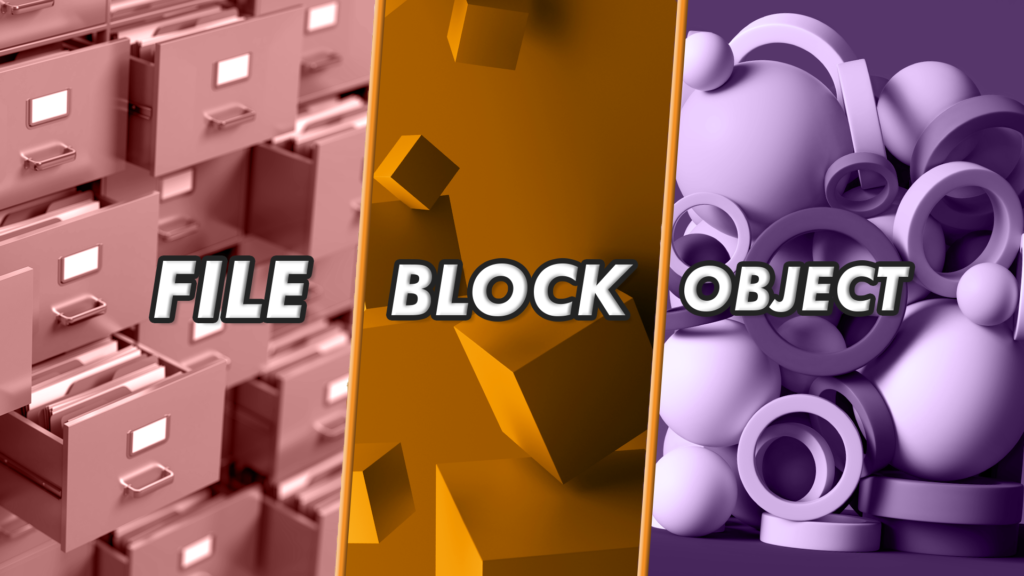
Storage systems are almost unquestionably the most critical component of larger IT systems. Without storage systems operating normally, websites could serve outdated information, customers and employees may not have access to the information they need, and in extreme cases, data loss could put a company out of business entirely. You could make similar statements for […]
How To Use an Open Source SDS Solution for HashiCorp Nomad
Overview Nomad is a simple and flexible workload orchestrator which deploys and manages containers and non-containerized applications. It does so across on-prem and clouds at scale and supports Container Storage Interface (CSI). LINBIT SDS is an open-source software-defined storage solution and is certified as the only open-source Technology Partner Integration through CSI by HashiCorp so […]
Tutorial: Stacked Block Storage in LINBIT SDS (aka LINSTOR)
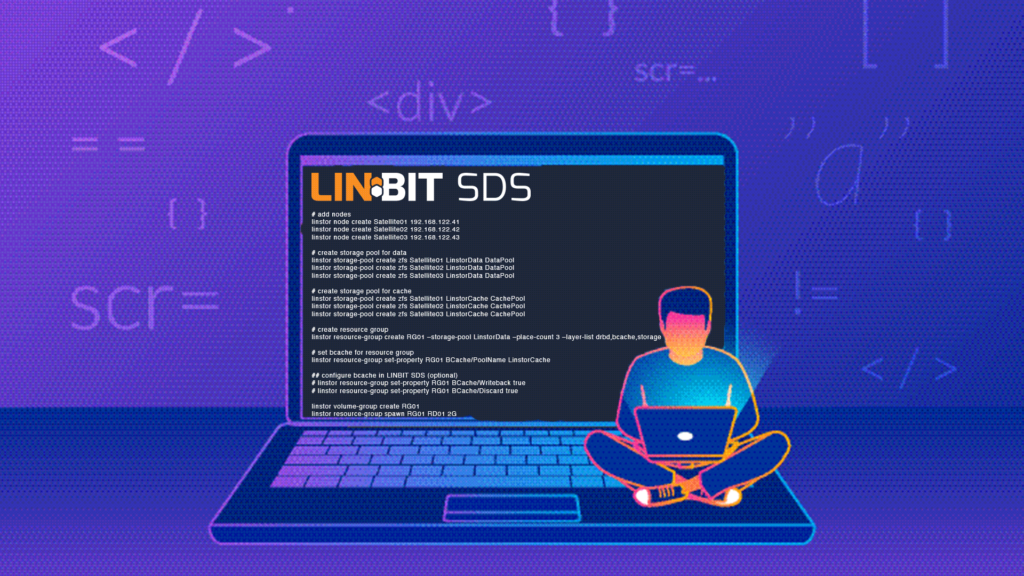
In this tutorial, I will show you how to use LINBIT SDS to orchestrate DRBD, bcache and ZFS in a stacked block storage layer. We have three satellite nodes in this demo cluster, all installed with the latest CentOS 8.4, and each node has 1 x NVMe drive and 3 x HDD drives. Install ZFS […]
What is Business Continuity planning and why it’s important?
If we’ve learned anything over the past few years, it’s that in life, as well as business, it’s important to expect the unexpected. Business continuity planning is talked about now more than ever. We hope this article can provide some insight on what it is, why it’s important, and what it entails. https://linbit.com/wp-content/uploads/2021/07/Business-Continuity-Intro-1-1.mp4 What is […]
LINBIT & OpenNebula TechDays: About Building IaaS Clouds
Open Source Block Storage for OpenNebula Clouds The LINBIT® OpenNebula TechDays was our mutual attempt to share our combined knowledge with the open source and storage community. We wanted to give you a thorough understanding of combining LINBIT’s software-defined storage solution with OpenNebula clouds. OpenNebula is a powerful, but easy-to-use, open source platform to build […]
Rancher’s K3s and LINBIT SDS

K3s is a very popular Kubernetes distribution from Rancher Labs designed to be both simple to set up and lightweight (in terms of system resources, not features). This makes it a great fit for edge computing, IoT (Internet of Things), and CI environments. LINBIT SDS for Kubernetes is LINBIT’s software suite for provisioning low overhead, […]