
Backing up and Restoring Kubernetes Workloads by Using CloudCasa with LINSTOR
This article overviews some of the features and benefits of using the CloudCasa™ data protection platform for Kubernetes with a LINSTOR® deployment in Kubernetes, and provides step-by-step instructions for getting started. Because the CloudCasa agent in Kubernetes can interface with a CSI-compliant storage driver, such as LINSTOR or Piraeus Datastore, backing up and restoring with […]
Creating SUSE Harvester Persistent Storage with HA & DR Capability by Using LINSTOR
SUSE Harvester is an open source hyperconverged infrastructure (HCI) virtualization management platform, built on top of Rancher, the SUSE-developed management platform for Kubernetes. Harvester deployments typically use Longhorn for persistent storage, but because you can also use Container Storage Interface (CSI) compliant storage systems, LINSTOR® is an option. This article will provide an overview of […]
Seamlessly Migrating Applications Between Federated Kubernetes Clusters with LINSTOR
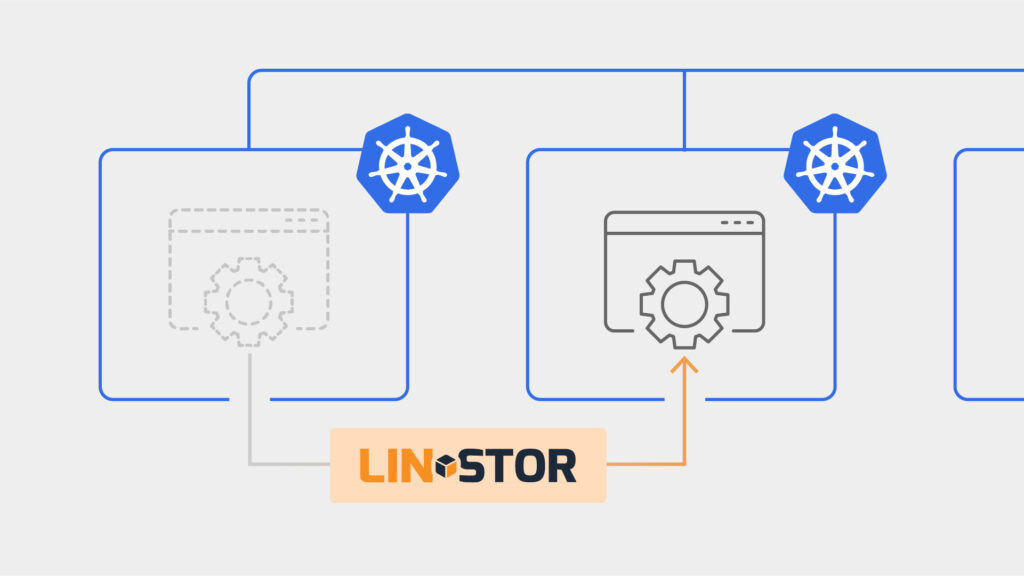
Matt Kereczman, Solutions Architect at LINBIT Björn Kraus, Chief Technical Officer at PHOENIX MEDIA Björn is CTO at an Adobe Commerce Solution Partner in Germany, where he leads the engineering team with a strong focus on Kubernetes and cloud-native infrastructure. A Certified Kubernetes Administrator (CKA), he has established a DevOps culture and introduced GitOps workflows to […]
An Open-Source Alternative to VMware

I can now share the video link to our Q2 Community Meeting, ‘Build Resilient Architectures with LINBIT SDS & Oracle Virtualization,’ which we hosted alongside our partners, Oracle. After Marcos Sungaila from Oracle spoke, I presented the LINBIT angle before Ryan on the US side at LINBIT guided the viewers through a live demo. Fate was […]
Red Hat Summit Conference – Trends Observed and Lessons Learned

In my previous newsletter, I wrote about how we’re changing our approach to events and conferences. I covered how we could aim to build better customer relationships with in-person interactions, the design of our booth, and how we might sift through many potential areas of focus to get what we want from events or conferences. These […]
Webinar: Build Resilient Architectures with LINBIT SDS & Oracle Virtualization
Simon Coter Senior Director, Oracle Linux and Virtualization Product Management & Engineering Marcos Sungaila Senior Principal Technical Product Manager Join us at 9:00 a.m. PT on Wednesday, June 25 to explore how LINBIT software-defined storage (SDS) combined with the cost-effective, high-performance Oracle Virtualization offering can help you create an open, resilient virtualization and storage solution […]
Exploring LINSTOR Features for SDS, HA, & DR

This article itemizes and explores LINSTOR® notable features for software-defined storage (SDS), high availability (HA), and disaster recovery (DR). The intent behind writing this article is to help orient someone who might be unfamiliar with LINSTOR. However, even someone familiar with LINSTOR might find it helpful for either review, promoting LINSTOR to others, or perhaps […]
The Benefits of Using LINSTOR with CloudStack
While Apache CloudStack has open source roots going back over a decade and is currently on its fourth major version release, the platform has been gaining more attention as more businesses and organizations seek open source alternatives to commercial offerings such as VMware virtualization management solutions. Since early 2021, the LINBIT® team has actively developed […]
Using LINSTOR in Kubernetes to Create & Manage Persistent Storage for KubeVirt VMs
Kubernetes is best known as a container orchestrator. However, more and more businesses and organizations are using Kubernetes to also deploy and manage virtual machines (VMs). There are many reasons why this is a growing trend. One reason people are running and managing VMs in Kubernetes is to decompose legacy workloads running in VMs and […]
AI at This Year’s Red Hat Summit
I am writing this week’s newsletter from Boston, MA, at Red Hat Summit. AI was central to this year’s keynote, with Red Hat announcing various infrastructure components for AI inference, which did not come as a surprise. Red Hat set the de facto standard for Linux in the enterprise environments. Their goal is to also set […]